Climate Prediction Markets and Event Betting: Exploring the Future of Weather and Environmental Wagering
Climate prediction markets are an increasingly fascinating corner of the online event betting world, merging the thrill of speculation with the serious global interest in environmental patterns, extreme weather, and climate change trends. These markets operate similarly to financial prediction markets, where participants wager on the outcomes of specific events, but the focus is on weather, natural disasters, environmental shifts, and climate statistics. They provide a way for individuals, researchers, and professional bettors to make forecasts, hedge risks, or simply engage in informed speculation about events that might otherwise seem unpredictable.
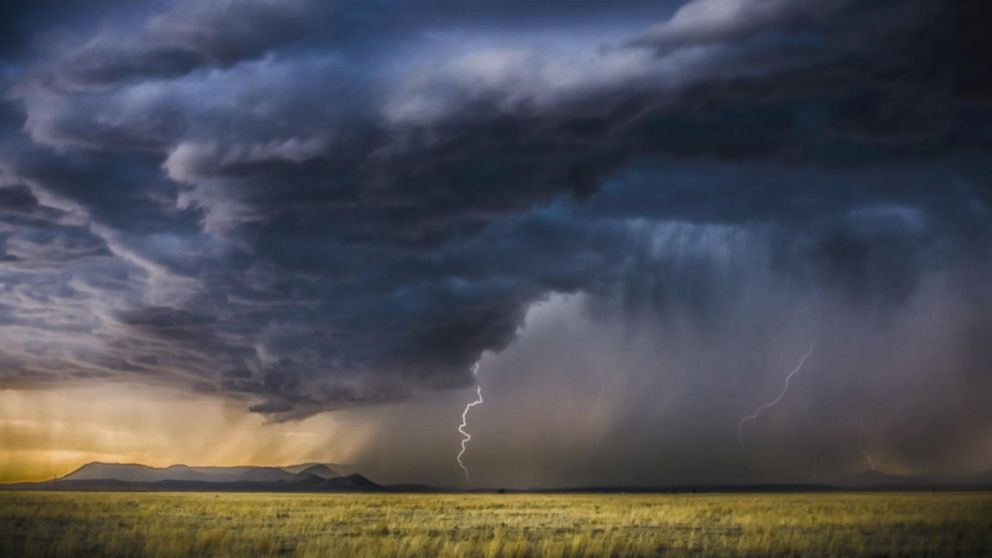
The rise of climate prediction markets has been fueled by several factors. Advances in technology, including real-time satellite data, sophisticated weather modeling, and AI-driven forecasting systems, have made climate and weather outcomes far more trackable than in the past. This data allows market operators to create accurate contracts for wagering, which in turn attracts participants who are both serious about forecasting and curious about earning rewards for their insights. Participants can place bets on daily temperature highs and lows, rainfall amounts, snowfall occurrences, or even more complex climate events such as hurricanes, tornadoes, and the occurrence of natural disasters of specific magnitudes.
Climate markets often cover both short-term events and long-term projections. For short-term wagering, participants might predict the highest or lowest temperature in major cities like Miami, New York, Los Angeles, or Chicago on a given day. They can also place bets on precipitation, whether it will rain in Houston this month, snow in Boston this week, or if a White Christmas is likely in Philadelphia. This type of betting appeals to individuals who closely follow meteorological trends or who enjoy the intersection of data, probability, and real-world events.
Longer-term contracts allow bettors to speculate on broader climate trends and anomalies. Markets for annual temperature records, such as predicting whether 2025 will be the hottest year ever, attract global attention because they touch on climate change and environmental risk awareness. Other long-term markets might focus on extreme weather phenomena, including the number of tornadoes in a given month, the likelihood of an 8.0+ magnitude earthquake in California, or the potential for Category 2+ hurricanes making landfall on the U.S. Gulf Coast. These markets are particularly relevant for scientists, insurers, and investors who want to hedge environmental risks or simply capitalize on publicly available data to make informed wagers.
Event betting sites that host climate prediction markets often categorize wagers into different verticals. Temperature predictions form one vertical, allowing daily, weekly, or monthly bets on high and low temperatures across major urban centers worldwide. Precipitation is another vertical, covering rain, snow, or hail, often broken down by city, region, or country. Hurricane and storm tracking represents a highly specialized vertical, where participants wager on the formation, trajectory, and landfall of major tropical storms and hurricanes. Other verticals include natural disasters, such as earthquakes, volcanic eruptions, or large-scale flooding events, which attract both casual bettors and professional forecasters interested in extreme event prediction.
Beyond simply predicting weather, some climate markets allow wagers on technological or environmental trends that intersect with climate change. For example, contracts can be set on the market share of electric vehicles by 2030, reflecting a broader understanding of how climate concerns influence energy consumption and policy decisions. These markets blend traditional weather forecasting with global socio-economic trends, providing a holistic approach to predicting the future.
The user experience on climate prediction markets is designed to be accessible, transparent, and data-driven. Market participants can review historical climate data, analyze satellite imagery, and consult expert forecasts before placing wagers. Platforms also use live market data to adjust odds dynamically, reflecting changing probabilities as new information becomes available. This creates an engaging environment that rewards informed decision-making rather than pure chance.
As these markets grow, they have also become more integrated with blockchain technology. Decentralized prediction platforms allow for greater transparency, ensuring that contract outcomes are immutable and payouts are secure. Platforms like Polymarket and Kalshi have begun exploring climate-related contracts, allowing participants worldwide to engage in forecasting without traditional intermediaries. Blockchain integration also facilitates instant settlements, fractionalized participation, and global access, making climate prediction markets increasingly mainstream.
One of the most interesting aspects of climate prediction markets is the sheer variety of wagerable events. Participants can predict whether a White Christmas will occur in New York City or Chicago, whether it will rain in Los Angeles this month, or the lowest temperature in Austin on a given day. They can speculate on the occurrence and intensity of hurricanes in Florida, South Carolina, or Hawaii during the 2025 season, or forecast longer-term trends like global temperature anomalies and climate-driven policy changes. This diversity ensures there is something for every level of interest, from casual weather enthusiasts to professional climatologists and risk analysts.
The rise of climate prediction markets also intersects with social awareness and environmental activism. By quantifying public expectations for extreme weather and climate outcomes, these markets can highlight the growing awareness of climate risks and the importance of preparedness. Participants become more engaged with data and trends, potentially fostering a better-informed public that understands the implications of climate change and extreme weather events.
In conclusion, climate prediction markets are a rapidly evolving sector of online event betting that blends science, probability, and financial speculation. They allow participants to wager on a wide array of verticals, including daily temperatures, rainfall, snowfall, hurricanes, natural disasters, and longer-term climate trends. The combination of advanced data, blockchain technology, and accessible platforms has turned these markets into an engaging and informative way to track environmental risks while participating in a dynamic forecasting ecosystem. Whether you are an environmental professional, a casual bettor, or a climate enthusiast, these markets provide a unique opportunity to engage with real-world data and test your predictive skills.
Climate Prediction Market FAQ
- What is a climate prediction market? A climate prediction market is an online platform where participants wager on weather events, natural disasters, or long-term climate trends.
- Are climate prediction markets legal? Legal status varies by jurisdiction. Some countries regulate them like financial instruments, while others may restrict them as gambling.
- How do I participate in climate prediction markets? You register on a platform, deposit funds, and select the event or contract you want to wager on.
- What types of events can I bet on? Daily temperatures, rainfall, snowfall, hurricanes, tornadoes, earthquakes, and climate trends like global temperature records or EV market share.
- Can I predict long-term climate events? Yes, some markets allow wagers on events years in the future, such as annual temperature records or climate policy outcomes.
- How is the odds pricing determined? Odds are dynamically calculated based on market demand, historical data, and real-time forecasts.
- Can I make money from climate prediction markets? Yes, successful predictions result in payouts, though markets carry risk and losses are possible.
- Are these markets purely gambling? While they share gambling characteristics, many participants use scientific data and analysis, making them part forecasting, part speculation.
- What platforms host climate prediction markets? Platforms include Kalshi, Polymarket, and specialized climate-focused prediction sites.
- How is blockchain used in climate markets? Blockchain ensures transparency, immutable outcomes, secure payouts, and global access.
- Are climate prediction markets safe? Reputable platforms use secure technology and adhere to regulations, but participants should practice risk management.
- What is the typical contract size? Contracts vary; some allow fractional participation to lower financial exposure.
- Can I bet on hurricanes? Yes, markets track hurricane formation, category, trajectory, and landfall.
- Can I wager on snow events? Yes, platforms allow bets on snowfall in cities like Boston, Chicago, and New York.
- Are temperature predictions popular? Yes, daily highs and lows in major cities are among the most traded contracts.
- Can professionals participate? Yes, climatologists, meteorologists, and risk analysts frequently participate.
- How is payout calculated? Payout depends on the outcome relative to contract terms, typically settled in cash or cryptocurrency.
- Can I hedge real-world risks? Yes, insurance and energy companies use these markets to hedge weather-related risks.
- Do markets cover climate change trends? Yes, including long-term temperature projections and policy outcomes.
- How often do contracts settle? Some settle daily, others monthly or annually, depending on event type.
- Is historical data available? Yes, most platforms provide past weather and event outcomes to guide predictions.
- Can I bet on rainfall? Absolutely, monthly or daily rainfall amounts are common contracts.
- Do markets influence public perception? Potentially, by quantifying expectations of extreme weather or climate change impacts.
- Can I bet from outside the US? Depends on the platform and local regulations; blockchain platforms often allow global participation.
- Are there beginner-friendly options? Yes, some platforms offer simplified contracts for casual users.
- Can I use analysis tools? Most platforms provide charts, historical data, and forecasting resources.
- How do I manage risk? By diversifying bets, using fractional contracts, and analyzing data carefully.
- Can these markets predict rare events? Yes, extreme weather events are among the most intriguing markets.
- Are payouts instant? On blockchain platforms, yes; traditional platforms may have standard settlement times.
- Why are climate prediction markets growing? Increased public interest in weather, climate change, and data-driven speculation is driving growth.
- Do platforms charge fees? Yes, typically a small transaction fee or market-making fee applies.
- Can I trade contracts before outcomes? Yes, many platforms allow buying and selling contracts until settlement.
- Are outcomes verifiable? Yes, contracts rely on publicly verifiable data from meteorological agencies or official sources.
- Do markets cover global events? Yes, participants can wager on international weather and climate trends.
- How accurate are these markets? Accuracy is generally high, especially when participants are informed and data is robust.
- Can I cancel a contract? Usually not; once purchased, contracts are active until settlement.
- Are there professional communities? Yes, forums and social groups discuss strategies, forecasts, and market trends.
- Can these markets help climate research? Indirectly, by aggregating public expectations and highlighting perceived risks.
- Are predictions private? Personal data is protected; market activity may be anonymized.
- Do these markets impact policy? Not directly, but aggregated forecasts can inform public debate and awareness.
- Can I bet on specific cities? Yes, markets often focus on major metropolitan areas for temperature and precipitation events.
- Can I bet on earthquake occurrence? Yes, magnitude-specific earthquake contracts exist in some markets.
- Are hurricanes categorized? Yes, Category 1-5 hurricane landfall contracts are common.
- Can I track event probability? Platforms display real-time implied probabilities based on market activity.
- Are there seasonal markets? Yes, e.g., winter snowfall, hurricane season, or summer temperature trends.
- Can I participate via mobile? Most modern platforms support mobile apps or browser access.
- How do markets handle disputes? Contracts rely on official sources; disputes are rare and settled per platform rules.
- Can I combine bets? Some platforms allow creating portfolios to spread risk across multiple events.
- Are climate markets speculative or educational? Both; they offer financial opportunity and educational insights into weather and climate.
- How do I get started? Choose a regulated platform, study past data, start with small wagers, and gradually build expertise.