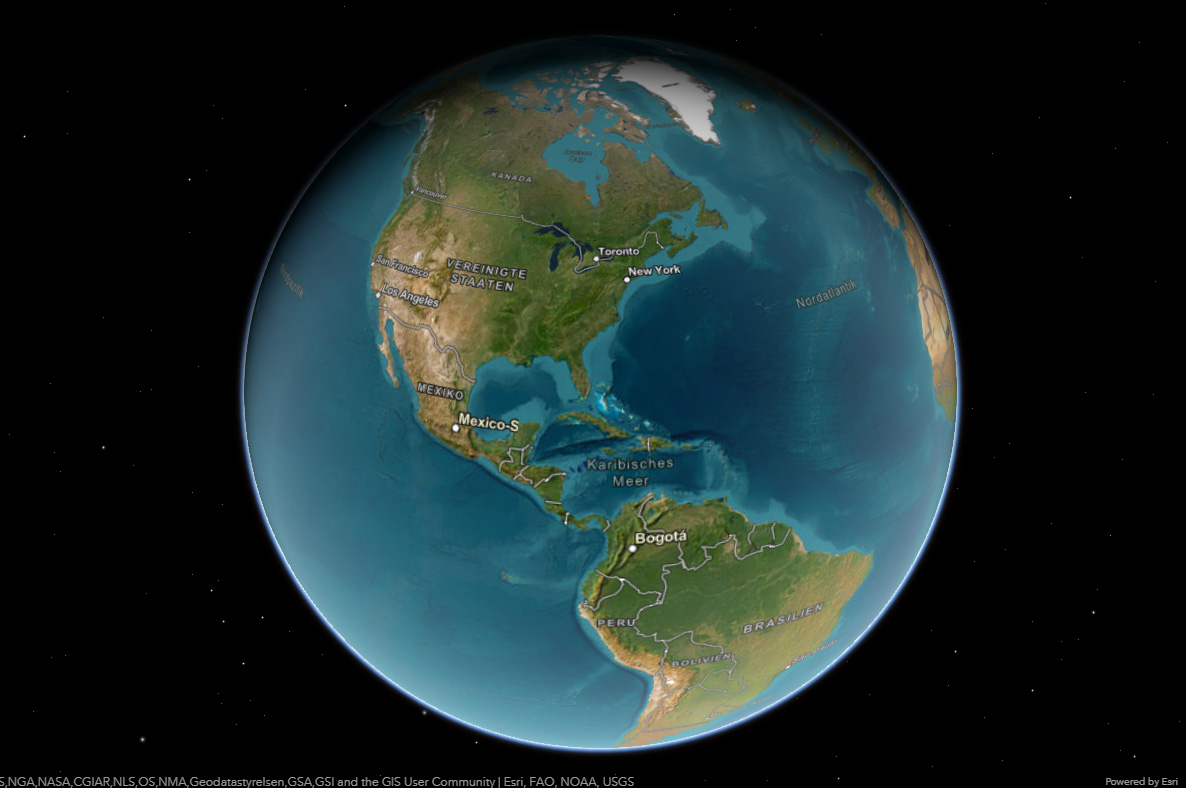
Prediction markets have emerged as one of the most powerful tools for gauging expectations about geopolitical events, offering real-time insight into the collective judgment of informed participants around the world. Unlike opinion polls or news commentary, prediction markets aggregate diverse information—from diplomatic developments and military movements to economic sanctions and domestic politics—into probabilistic forecasts that reflect what the crowd believes is most likely to happen. These markets do not merely capture speculation; they distill complex, rapidly evolving geopolitical landscapes into actionable signals.
In the realm of international relations, participants in prediction markets might speculate on elections, leadership changes, peace treaties, conflicts, or territorial disputes. For example, a market predicting whether a Russia-Ukraine ceasefire will occur within a specified time frame quantifies the likelihood of negotiation success, factoring in not only public statements from leaders but also intelligence reports, troop movements, and economic pressures. The collective probability adjusts dynamically as new developments emerge, offering a continuously updated lens through which observers can interpret the trajectory of the conflict. This makes prediction markets particularly valuable for analysts, investors, and policymakers who require timely, quantitative assessments of risk and potential outcomes.
Prediction markets can also measure the likelihood of extraordinary or unprecedented events, providing insight into how the public and informed participants perceive global risk. Scenarios such as China taking military action over Taiwan or the confirmation of extraterrestrial life by the United States before a given year may seem unlikely, but the markets assign probabilities based on available intelligence, historical precedent, and public sentiment. Even when probabilities are low, these markets provide an early warning mechanism for stakeholders who need to understand potential global shocks. The fact that participants are willing to put real money on outcomes ensures that these probabilities reflect strong incentives for accuracy rather than mere opinion.
Elections and leadership transitions are another key area where geopolitical prediction markets shine. Markets often predict not just who will win an election but the margin of victory, the potential for coalition formation, or the likelihood of contested outcomes. For instance, the probability of a sitting leader being removed from office before the end of a term or a major legislative shift occurring can be continuously updated as political developments unfold, incorporating polling data, economic indicators, and even the effects of international interventions. The dynamic nature of these markets enables observers to track the pulse of both domestic and international sentiment, often with greater responsiveness than traditional forecasting methods.
In addition to conflict and elections, geopolitical prediction markets capture economic and policy risks with global ramifications. Questions about sanctions, trade agreements, currency crises, or the likelihood of central banks coordinating across borders are often traded in these markets. Each trade encodes information from participants who might have expertise, access to unique data, or sophisticated analytical models, effectively turning the market into a real-time intelligence aggregator. For example, the probability of a country defaulting on its debt or implementing drastic fiscal policy changes can be inferred from trading prices, providing an early signal for investors and governments alike.
Prediction markets also reflect public sentiment about long-term global trends, including climate diplomacy, technological proliferation, and demographic shifts. For instance, markets may speculate on whether a major climate accord will be signed by a certain year or whether a geopolitical flashpoint will escalate into broader conflict. These markets blend immediate tactical developments with strategic foresight, producing probabilities that are informed by both near-term news and long-term structural factors. The markets’ sensitivity to new information ensures that participants are continually updating their expectations, resulting in forecasts that are often more accurate than static expert reports.
One of the most compelling aspects of geopolitical prediction markets is their ability to quantify uncertainty in situations where traditional analysis is qualitative and often partisan. News outlets, think tanks, and policymakers frequently provide divergent opinions based on ideological lenses, historical biases, or selective emphasis on certain intelligence. Prediction markets, by contrast, aggregate thousands of independent assessments, weighting them by the financial commitment of participants, which inherently prioritizes accuracy. This makes them uniquely suited to capture a probabilistic view of events such as military escalations, peace negotiations, political coups, or shifts in international alliances.
Moreover, geopolitical markets encourage active monitoring and engagement, as participants adjust their positions in response to new information. This feedback loop means that the markets are not static reflections of past trends but living forecasts that evolve with the global situation. Analysts can use these markets to identify emerging risks, test assumptions, and even challenge conventional wisdom. In many cases, prediction markets have been shown to outperform expert panels and traditional forecasting methods because they synthesize a broader range of information in real time and incorporate the incentives for participants to forecast accurately.
Overall, prediction markets offer a powerful complement to conventional geopolitical analysis. They provide a quantifiable, continuously updated measure of the likelihood of global events, ranging from wars and ceasefires to elections, economic crises, and major policy shifts. By aggregating dispersed information, reflecting public and expert sentiment, and dynamically adjusting to new developments, these markets allow observers to anticipate risks, allocate resources, and understand the probabilities of complex international scenarios in a way that static analysis cannot match. As global events continue to grow in complexity and interconnectedness, prediction markets stand out as one of the most reliable tools for turning uncertainty into actionable insight.