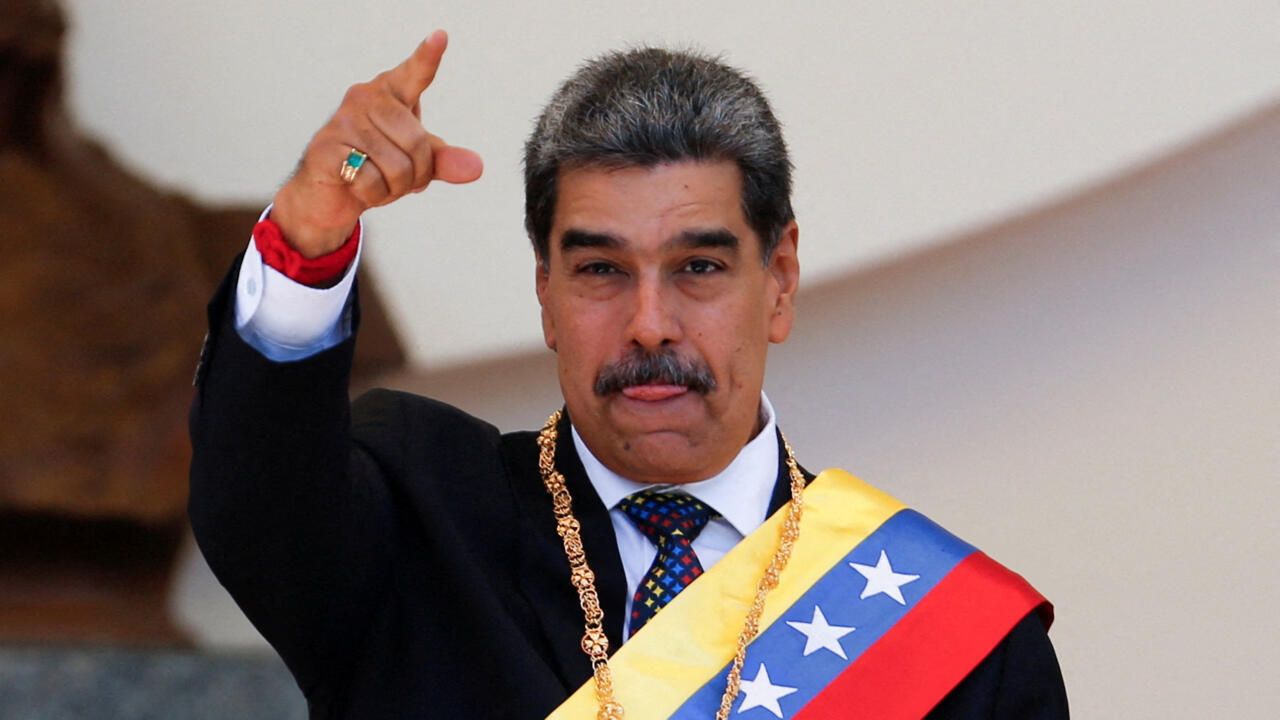
Prediction markets have transformed the way political outcomes are analyzed and anticipated, offering a level of granularity and real-time insight that traditional polling and commentary often cannot match. These markets aggregate the expectations of a diverse set of participants, each bringing unique information, intuition, or analytical models to the table. Unlike polls, which measure stated preferences at a fixed point in time, prediction markets quantify the likelihood of specific outcomes and continuously adjust probabilities as new developments unfold. In politics, this can range from election results and legislative votes to leadership changes, policy enactments, and international diplomatic moves.
One of the most prominent applications of prediction markets in politics is forecasting election outcomes. Markets track the probability that a candidate will win a particular office, often reflecting nuances that polls cannot capture, such as voter turnout, the effects of late-breaking scandals, or shifts in public sentiment. For example, a market predicting the likelihood of a presidential candidate winning in swing states can adjust instantly in response to debate performances, campaign announcements, or economic data. This dynamic capability allows observers to monitor real-time changes in political momentum rather than relying solely on static snapshots provided by traditional polls.
Prediction markets also shine in assessing unexpected or high-impact political events. These include scenarios such as the early resignation or removal of a sitting leader, sudden policy reversals, or outcomes of contentious legislative battles. By putting actual money at stake, these markets incentivize participants to forecast accurately, often producing probabilities that are more reliable than expert predictions alone. For instance, a market predicting the probability that a bill will pass through a legislature combines information about party control, lobbying pressure, public opinion, and historical precedent, effectively aggregating insights that individual analysts may overlook.
Beyond elections and legislative outcomes, prediction markets play a crucial role in understanding political stability and risk. Markets can quantify the probability of coups, constitutional crises, or other forms of political upheaval, which is especially valuable in countries with opaque governance or rapidly shifting political landscapes. By analyzing the trading patterns and market probabilities, observers can infer the level of confidence participants have in the continuity of political institutions, the stability of leadership, or the likelihood of reform. This probabilistic approach is particularly useful for international organizations, investors, and policymakers who need to make decisions in environments where information is incomplete or uncertain.
International politics is another domain where prediction markets provide unique insight. Markets may speculate on foreign elections, leadership transitions, treaty ratifications, or diplomatic agreements. For example, a market might predict the likelihood that a new trade deal will be signed between two countries or that sanctions will be lifted by a certain date. Each trade in the market reflects participants’ assessment of political incentives, diplomatic signals, and strategic calculations. The continuous updating mechanism ensures that probabilities remain sensitive to new intelligence or announcements, offering a real-time window into how the world perceives geopolitical maneuvering.
Prediction markets also capture public perception of political narratives and sentiment. Unlike traditional polling, which asks respondents directly about preferences or opinions, prediction markets measure what participants are willing to stake financially, revealing the intensity of conviction behind a political outcome. This is especially useful in scenarios where public opinion may be volatile or influenced by misinformation, as the market’s financial incentives reward accuracy over rhetoric. Political analysts can leverage these signals to better understand how narratives are shaping voter behavior, candidate viability, or legislative prospects.
Moreover, prediction markets provide a way to model long-term political trends and uncertainties. They can forecast whether a party will hold power in the next election cycle, if major reforms will be enacted, or how global political alignments might shift. Unlike traditional forecasting methods, which may rely heavily on historical analogues or expert judgment, prediction markets integrate dispersed information from a broad spectrum of participants, weighting it through the lens of financial risk. This creates a continuously evolving, probabilistic picture of political futures that can be more resilient to sudden changes or shocks.
One of the most compelling aspects of political prediction markets is their ability to highlight discrepancies between public perception and expert assessment. In some cases, the crowd may anticipate outcomes that are counterintuitive to polls or pundit predictions, reflecting insider knowledge, emerging trends, or unconventional interpretations of events. This phenomenon underscores why prediction markets are increasingly considered a vital complement to traditional political analysis—they do not replace qualitative insight but enhance it by providing a quantitative, real-time measure of likelihood.
Overall, prediction markets offer a powerful and nuanced lens through which political developments can be assessed. They quantify probabilities, track changes in real time, incorporate diverse information, and provide actionable insight in contexts ranging from elections and legislation to policy shifts and international diplomacy. By combining financial incentives with collective intelligence, these markets allow participants and observers to navigate political uncertainty more effectively, anticipate potential outcomes, and understand the probabilities of complex scenarios in a way that conventional analysis alone often cannot.