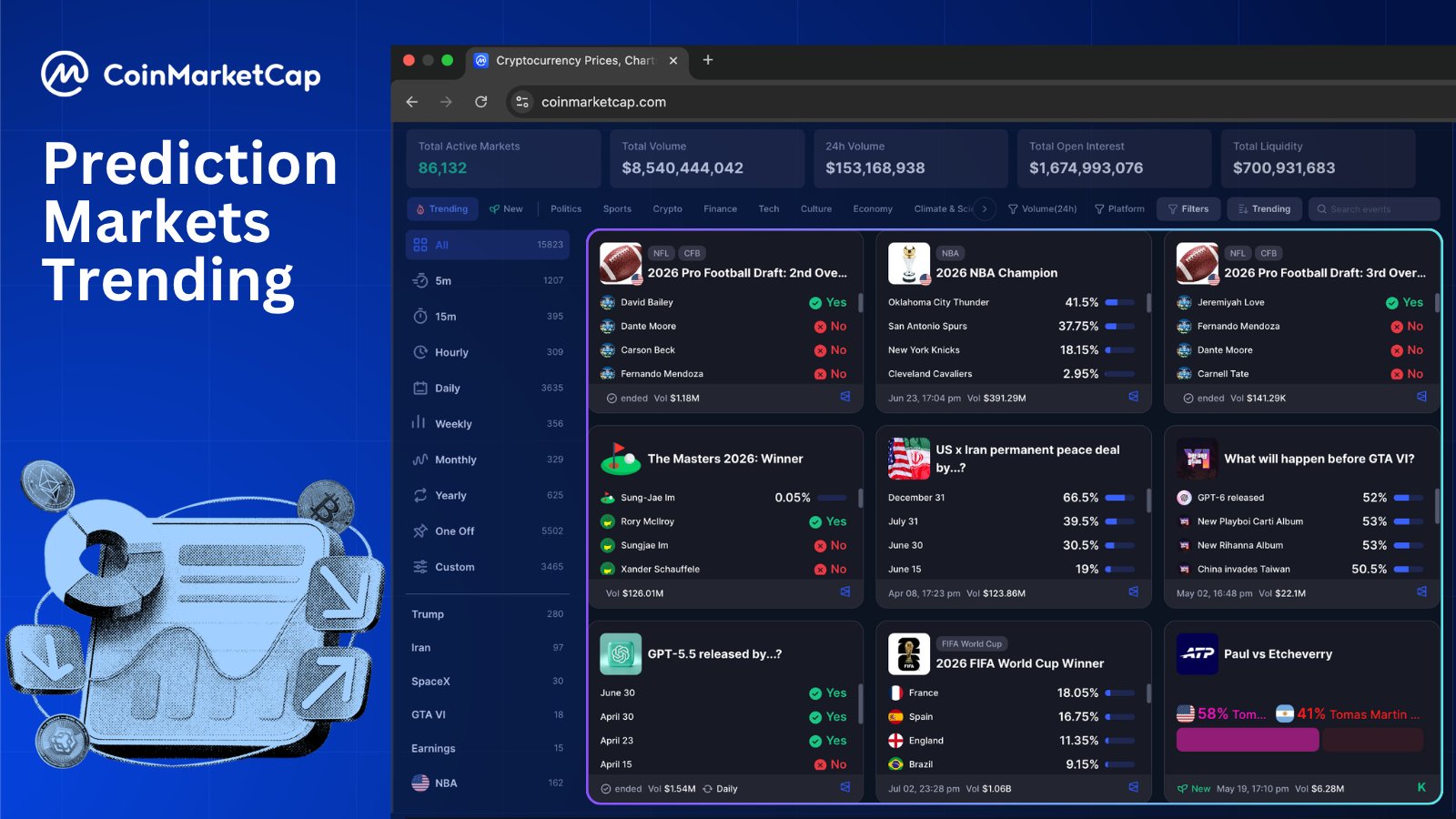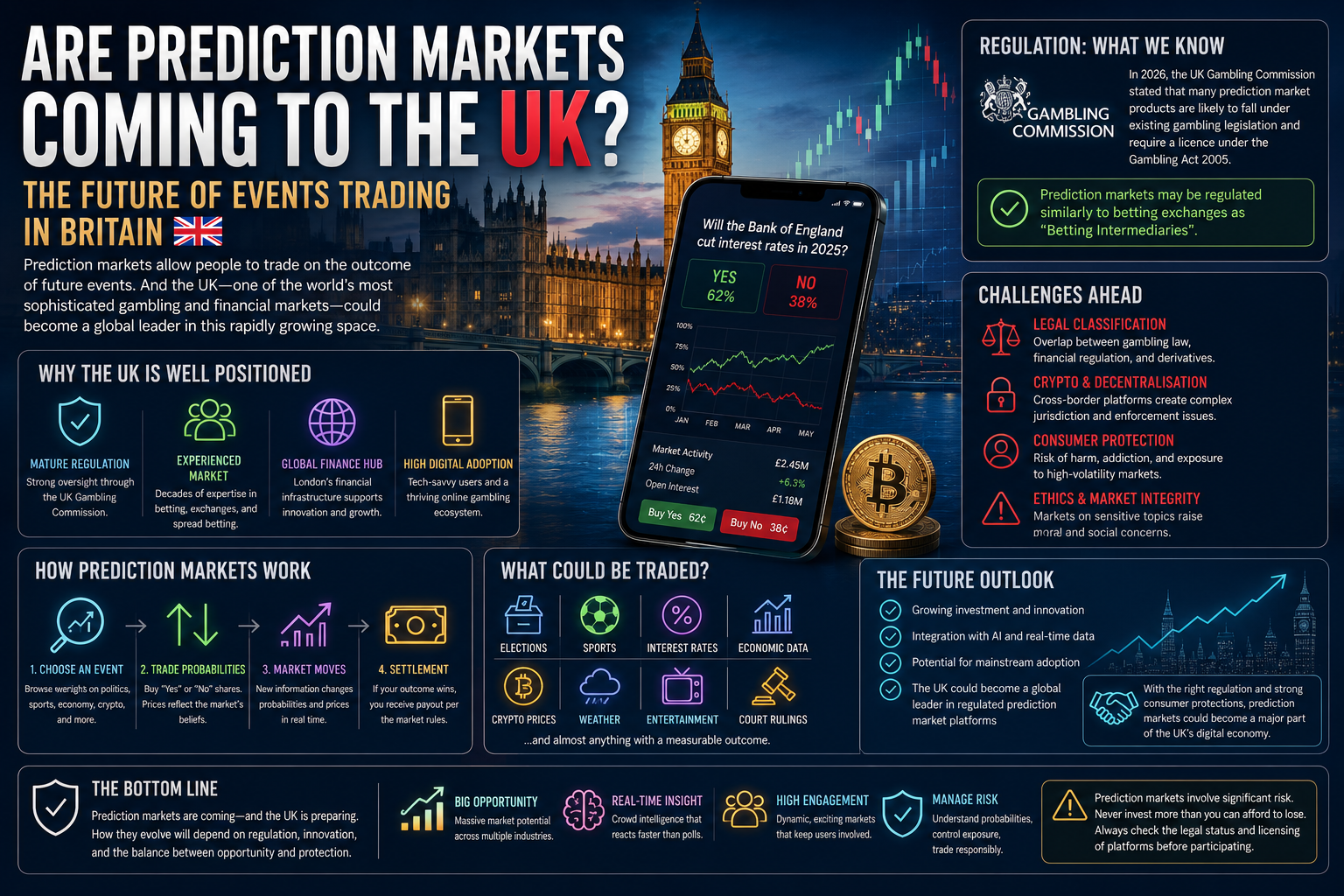

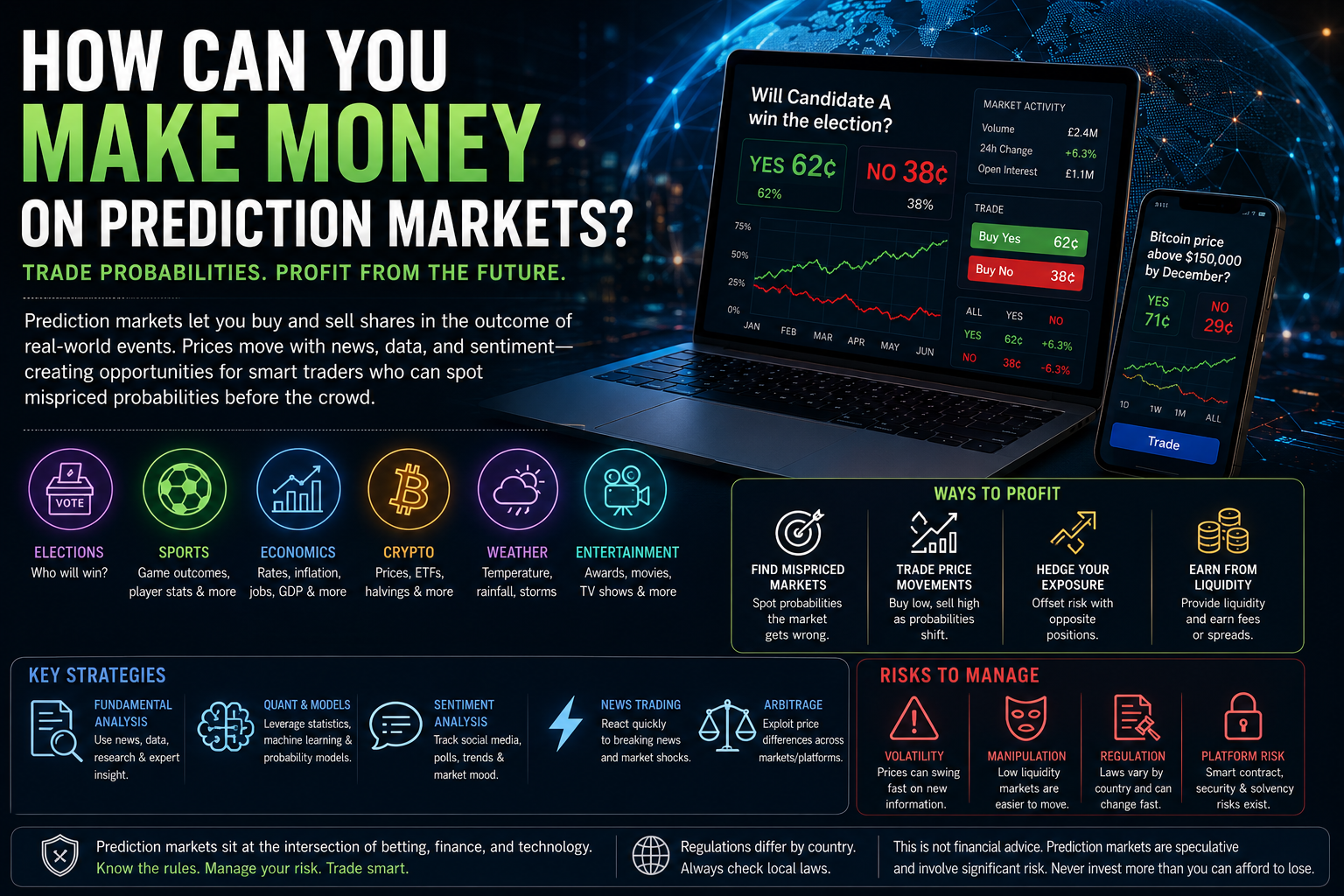
Prediction markets are rapidly evolving from a niche internet curiosity into one of the most fascinating intersections of gambling, finance, technology, data science, behavioural economics, and crowd intelligence in the modern digital economy. What once looked like a strange hybrid between betting and stock trading is now attracting attention from hedge funds, crypto traders, economists, venture capital firms, political analysts, AI developers, sports speculators, and regulators around the world.
At their core, prediction markets are built around one simple concept:
people attempt to profit by correctly forecasting future events before the wider market fully prices in the probability.
That sounds simple on the surface, but the mechanics underneath prediction markets can become incredibly sophisticated very quickly.
Unlike traditional casino gambling, where games are usually designed around fixed mathematical house edges, prediction markets are driven primarily by probabilities, information flow, market psychology, liquidity, timing, and the collective beliefs of participants. In many ways, prediction markets behave less like slot machines and more like miniature financial exchanges built around uncertainty itself.
A user participating in a prediction market is effectively asking:
“What does the market currently believe?”
followed immediately by:
“Do I believe the market is wrong?”
That difference is crucial.
In a traditional sportsbook, the bookmaker sets odds and users bet against the house. In many prediction markets, users are effectively trading against other participants and attempting to exploit mispriced probabilities before the market adjusts.
For example, imagine a prediction market asking:
“Will Bitcoin exceed $150,000 before the end of the year?”
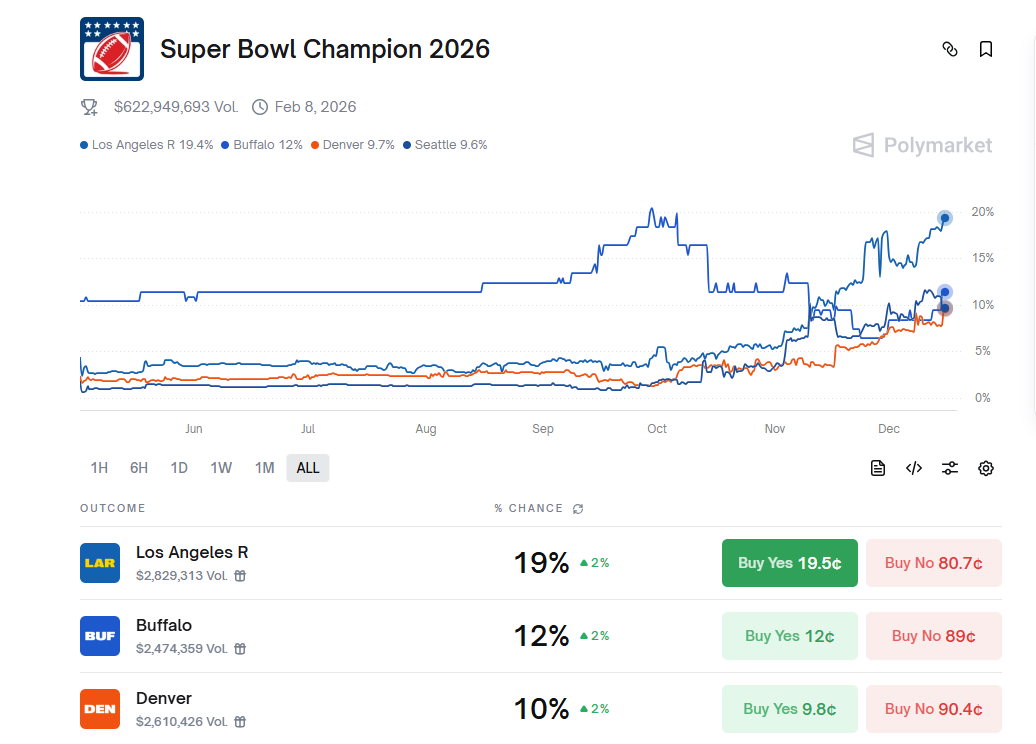
The market might currently price that outcome at 30%.
If a trader believes the real probability is much higher — perhaps 50% or 60% — they may buy contracts before sentiment changes. If confidence later increases and the market probability rises, the value of those contracts increases even before the event itself resolves.
That means prediction market participants do not always need to hold positions until final settlement. Many traders instead attempt to profit from changing probability perception itself.
This creates one of the most important distinctions between prediction markets and traditional betting.
Prediction markets often behave like probability trading systems.
Participants are not simply predicting outcomes.
They are trading market expectations.
This is why prediction markets increasingly attract users with backgrounds in:
financial trading,
sports analytics,
poker,
data science,
quantitative analysis,
political forecasting,
cryptocurrency trading,
macroeconomics,
and behavioural psychology.
The ways people attempt to make money in prediction markets vary enormously depending on the platform, market structure, liquidity conditions, and event category involved.
Some participants focus on long-term forecasting.
Others scalp short-term volatility.
Some specialise in political markets.
Others trade sports outcomes, crypto events, or macroeconomic announcements.
Some rely heavily on statistical modelling.
Others rely more on sentiment analysis, information asymmetry, or behavioural inefficiencies.
One of the most common strategies involves identifying probabilities that appear mispriced relative to reality.
Suppose a prediction market prices a presidential candidate at only a 20% chance of winning an election. A trader who believes polling trends, campaign momentum, fundraising strength, demographic shifts, or media developments suggest the true probability is closer to 40% may buy contracts before broader market sentiment catches up.
If the market later reprices that candidate to 45%, the trader can potentially sell the position profitably without waiting for the election result itself.
This dynamic creates trading opportunities around changing expectations rather than simply final outcomes.
Information speed becomes extremely important.
Prediction markets react rapidly to:
breaking news,
economic data,
poll releases,
injury reports,
court rulings,
earnings announcements,
government decisions,
social media trends,
and geopolitical developments.
In many ways, prediction markets function like real-time probability engines continuously absorbing new information.
Participants who process information faster or more accurately than the broader market may potentially gain an edge.
This is partly why prediction markets increasingly attract professional analysts and highly engaged niche communities.
In political prediction markets, for example, traders may monitor:
state-level polling,
voter turnout models,
campaign spending,
debate performances,
media narratives,
legal developments,
historical voting behaviour,
and demographic data.
Sports-focused prediction traders may analyse:
injuries,
weather conditions,
advanced metrics,
historical matchups,
line movement,
public betting behaviour,
and statistical probabilities.
Crypto prediction traders often combine:
technical analysis,
macro sentiment,
regulatory news,
on-chain analytics,
social media momentum,
and volatility expectations.
The industry increasingly resembles a giant probabilistic intelligence ecosystem.
However, making money consistently is far harder than many beginners assume.
One of the biggest misconceptions surrounding prediction markets is that they are easy because many events appear intuitive on the surface.
In reality, markets quickly absorb public information.
If everybody already knows something, it is usually already reflected in pricing.
This creates an environment where participants constantly compete to identify:
mispriced probabilities,
overreactions,
underreactions,
emotional trading behaviour,
or information the market has not yet fully processed.
Prediction markets are heavily influenced by psychology.
Fear, greed, confirmation bias, tribal loyalty, political identity, media hype, panic reactions, and herd behaviour can all distort pricing dramatically during emotionally charged events.
This sometimes creates opportunities for disciplined traders capable of remaining emotionally detached.
For example, during elections, markets may temporarily overreact to sensational headlines or short-term polling fluctuations. Experienced traders sometimes attempt to exploit these emotional swings by taking positions against irrational crowd behaviour.
Liquidity plays a massive role in profitability.
Large liquid markets generally produce more efficient pricing because many participants continuously trade against one another. Smaller low-liquidity markets may create more pricing inefficiencies but also involve greater volatility and risk.
Thin markets can move violently from relatively small orders.
This creates both opportunity and danger simultaneously.
Some prediction traders specialise in market-making strategies.
Rather than simply betting on outcomes, they profit from spreads between buy and sell prices. This resembles traditional financial market liquidity provision.
Others attempt arbitrage strategies.
Arbitrage involves exploiting pricing inconsistencies between related markets or different platforms. For example, if one platform prices an event at 40% while another prices the same event at 55%, traders may potentially profit from the discrepancy if transaction costs and liquidity conditions allow.
Advanced prediction traders increasingly use quantitative models and automation.
Some build probability models using historical data, polling averages, economic indicators, or machine learning systems to estimate “true” probabilities more accurately than public markets.
Others scrape social media sentiment or monitor real-time news feeds for informational advantages.
This is one reason prediction markets increasingly overlap with AI and data analytics sectors.
As artificial intelligence systems become better at forecasting, probability modelling, and pattern recognition, prediction markets may eventually become deeply integrated into automated information systems.
Some technologists believe prediction markets could eventually function as global forecasting infrastructure feeding AI-driven decision systems across finance, politics, economics, logistics, insurance, and corporate planning.
Whether that vision becomes reality remains uncertain, but the potential commercial scale is enormous.
The rise of cryptocurrency has accelerated prediction market growth substantially.
Blockchain-based platforms allow borderless event trading, tokenised contracts, decentralised liquidity pools, and 24-hour global participation. Crypto users already familiar with volatility and speculative trading often adapt naturally to prediction markets.
However, crypto prediction markets also introduce major additional risks.
These include:
regulatory uncertainty,
platform solvency risk,
smart contract vulnerabilities,
liquidity instability,
market manipulation,
cross-border legal exposure,
and token volatility.
Users sometimes underestimate how much additional risk exists beyond the event prediction itself.
Even correctly predicting an outcome does not necessarily guarantee safety if the platform infrastructure itself fails.
Risk management is therefore essential.
Professional prediction traders rarely risk their entire capital on one event. Instead, they typically think in terms of probability distributions, expected value, portfolio diversification, and long-term edge accumulation.
This is another major difference between professional-style speculation and casual gambling behaviour.
A disciplined prediction market participant may happily lose many individual trades while remaining profitable overall if their probabilistic edge remains positive over time.
Expected value matters far more than emotional certainty.
This is psychologically difficult for many beginners.
Human beings naturally seek certainty and narrative clarity. Prediction markets instead reward probabilistic thinking.
The best traders are often comfortable saying:
“I think this event has a 62% chance of occurring.”
rather than:
“This definitely happens.”
That mindset shift is critical.
Prediction markets are fundamentally about pricing uncertainty.
Some of the most successful participants focus less on predicting events themselves and more on predicting how other people will react to information.
This introduces second-order psychology.
For example, a trader may personally believe a candidate performs poorly in a debate but still buy contracts if they believe the media narrative afterward will favour that candidate and drive market probabilities higher temporarily.
This resembles financial markets where perception sometimes matters more than objective reality in the short term.
Timing also matters enormously.
A correct prediction entered too late may still lose money if the market already fully priced in the outcome beforehand.
Similarly, being directionally correct but poorly timed can produce losses through volatility or liquidity constraints.
The industry’s future potential is enormous precisely because prediction markets sit at the crossroads of so many major sectors simultaneously:
financial trading,
AI forecasting,
behavioural economics,
social media,
real-time data analysis,
and probabilistic intelligence systems.
As more people become comfortable thinking in probabilities rather than certainties, prediction markets may gradually become more mainstream globally.
However, regulation remains one of the largest unresolved challenges.
Many jurisdictions still struggle to determine whether prediction markets should primarily be treated as:
gambling,
financial products,
information systems,
or entirely new hybrid categories.
That uncertainty creates both opportunity and risk for entrepreneurs and participants alike.
For ordinary users, perhaps the most important reality is this:
making money consistently on prediction markets is extremely difficult.
The markets may appear simple because the questions themselves seem straightforward.
But beneath the surface sits an intensely competitive environment where participants continuously analyse probabilities, information flow, psychology, sentiment, timing, and market inefficiencies in real time.
Prediction markets reward discipline, research, emotional control, risk management, and probabilistic thinking far more than certainty or instinct alone.
The people most likely to succeed are usually not those who “feel strongly” about outcomes.
They are the ones who consistently identify situations where market pricing diverges from realistic probability more accurately than the crowd.
Frequently Asked Questions About Making Money on Prediction Markets
1. What is a prediction market?
A prediction market is a platform where people speculate on the outcome of future events by buying and selling probability-based contracts. These events can involve politics, sports, economics, cryptocurrencies, weather, entertainment, business outcomes, or virtually any real-world event capable of producing a measurable result.
Participants attempt to profit by identifying situations where they believe market probabilities are incorrectly priced.
2. How do people actually make money on prediction markets?
Most participants attempt to make money by buying positions when they believe the market underestimates the probability of an event occurring, then selling later if market sentiment shifts in their favour.
For example, if a market prices an outcome at 20% probability but a trader believes the real probability is closer to 50%, they may buy contracts early. If the market later reprices the event at 45%, the trader can potentially sell at a profit before the event even resolves.
3. Are prediction markets basically gambling?
Prediction markets share similarities with gambling, but they also resemble financial trading and speculative investing.
Traditional gambling often revolves around fixed house edges and static betting structures. Prediction markets instead revolve around probability pricing, information flow, liquidity, sentiment, and market inefficiencies.
Many participants approach them more like trading environments than casino products.
4. Are prediction markets similar to stock trading?
In many ways, yes.
Prediction markets often involve:
buying and selling positions,
tracking price movement,
reacting to news,
analysing probabilities,
managing risk,
and attempting to exploit market inefficiencies.
The major difference is that prediction markets focus on future event outcomes rather than company ownership.
5. What types of events can be traded?
Prediction markets can involve almost anything capable of producing a measurable outcome.
Common examples include:
elections,
sports results,
crypto prices,
interest rates,
inflation figures,
company launches,
court rulings,
movie awards,
weather events,
economic data,
scientific discoveries,
and geopolitical developments.
6. What does “trading probabilities” actually mean?
Prediction market prices often reflect implied probabilities.
If a contract trades at 70 cents on a $1 settlement system, the market effectively suggests a 70% chance of the event occurring.
Participants attempt to identify situations where they believe those implied probabilities are inaccurate.
7. Do traders always hold positions until the event finishes?
No.
Many prediction market traders profit by trading changing market sentiment rather than waiting for final settlement.
If probabilities shift in their favour before the event resolves, they may close positions early and lock in gains.
8. Why do prices move in prediction markets?
Prices move because collective market expectations constantly change based on new information.
Markets react rapidly to:
breaking news,
economic announcements,
injury reports,
polling changes,
social media trends,
government decisions,
earnings releases,
and geopolitical developments.
9. Can prediction markets really outperform polls and analysts?
Supporters often argue they can.
The theory is that prediction markets aggregate real-money incentives from many participants simultaneously, forcing people to back their beliefs financially rather than simply expressing opinions.
Critics argue markets can still become emotional, irrational, or manipulated.
10. What is a “mispriced probability”?
A mispriced probability exists when a trader believes the market’s implied probability differs significantly from realistic odds.
For example:
the market says 25% chance,
the trader believes the true probability is 45%.
That difference creates a potential trading opportunity.
11. Why do some traders succeed consistently?
Successful traders often possess advantages involving:
research,
discipline,
data analysis,
speed of information processing,
risk management,
emotional control,
or probabilistic thinking.
They rarely rely purely on instinct.
12. Why do most beginners struggle?
Beginners often underestimate how competitive prediction markets are.
Markets absorb public information quickly. Emotional reactions, overconfidence, poor risk management, and impulsive trading frequently lead to losses.
Many people also struggle psychologically with uncertainty and probability-based thinking.
13. What role does psychology play?
Psychology is enormous.
Prediction markets are heavily influenced by:
fear,
greed,
panic,
media narratives,
tribal loyalty,
confirmation bias,
and herd behaviour.
Some traders specialise almost entirely in exploiting emotional overreactions.
14. What is liquidity and why does it matter?
Liquidity refers to how much trading activity and available capital exist in a market.
High liquidity usually means:
more stable pricing,
smaller spreads,
faster order execution,
and more efficient markets.
Low liquidity can create larger volatility and easier price distortion.
15. What is arbitrage in prediction markets?
Arbitrage involves exploiting pricing inconsistencies between markets or platforms.
For example, if one platform prices an event at 40% while another prices the same event at 55%, traders may attempt to profit from the discrepancy.
16. What is market-making?
Market-making involves continuously placing buy and sell orders to profit from spreads between prices.
Instead of simply betting on outcomes, market makers attempt to earn from trading activity itself.
This resembles liquidity provision in traditional financial markets.
17. Are prediction markets legal everywhere?
No.
Legal treatment varies significantly by country.
Some jurisdictions treat prediction markets as gambling.
Others treat them as financial products.
Some allow certain structures while banning others entirely.
The regulatory environment remains highly uncertain globally.
18. Why are crypto prediction markets growing so quickly?
Cryptocurrency infrastructure allows:
borderless participation,
24-hour trading,
tokenised contracts,
decentralised liquidity,
and easier global access.
Crypto users are often already comfortable with volatility and speculative trading environments.
19. Are crypto prediction markets risky?
Yes — extremely.
Additional risks can include:
smart contract exploits,
platform collapse,
token volatility,
regulatory intervention,
liquidity failure,
counterparty risk,
and cross-border legal complications.
Users can lose money even when their predictions are correct if platform infrastructure fails.
20. Can artificial intelligence improve prediction market trading?
Potentially.
AI systems can help analyse:
historical data,
social sentiment,
news flows,
market movement,
polling changes,
economic indicators,
and behavioural trends.
Many advanced traders already use automation and machine learning tools.
21. Why are hedge funds and venture capital firms interested?
Prediction markets combine multiple high-growth sectors simultaneously:
finance,
AI,
crypto,
data analytics,
behavioural economics,
gambling,
and forecasting systems.
Many investors believe probabilistic forecasting infrastructure could become commercially enormous over time.
22. What is expected value?
Expected value refers to the long-term mathematical profitability of decisions.
Professional traders focus heavily on making positive expected-value decisions repeatedly over time rather than emotionally chasing certainty.
A trader can lose individual positions while still remaining profitable overall if their average edge remains positive.
23. Why is emotional control so important?
Prediction markets punish emotional decision-making aggressively.
Fear and excitement often cause traders to:
chase prices,
panic sell,
overexpose positions,
ignore probabilities,
or react irrationally to headlines.
Emotional discipline is one of the biggest separating factors between professionals and casual users.
24. What is second-order thinking in prediction markets?
Second-order thinking involves predicting how other people will react to information rather than simply predicting the event itself.
For example, a trader may personally dislike a debate performance but still buy contracts if they believe media coverage afterward will temporarily improve public sentiment.
25. Do prediction markets reward certainty?
No.
Prediction markets reward probabilistic thinking.
The best participants rarely think in absolute terms like:
“This definitely happens.”
Instead they think:
“This appears more likely than current market pricing suggests.”
That mindset difference is critical.
26. Are prediction markets becoming mainstream?
Increasingly, yes.
Interest continues growing across:
sports,
politics,
finance,
crypto,
AI,
media,
and forecasting industries.
However, regulation remains a major unresolved challenge globally.
27. Can prediction markets become a full-time career?
For a very small minority of highly skilled participants, potentially yes.
However, prediction markets are extremely competitive and speculative. Most people will not achieve consistent profitability long term.
Professional-level success usually requires:
deep research,
strong quantitative understanding,
risk management,
emotional control,
discipline,
and substantial experience.
28. What is the biggest misconception about prediction markets?
The biggest misconception is that prediction markets are “easy” because the questions themselves seem simple.
In reality, they are highly competitive probabilistic trading environments where thousands of participants continuously analyse information, psychology, probabilities, and sentiment in real time.
The surface simplicity hides enormous complexity underneath.
29. What skills matter most for long-term success?
The most valuable skills usually include:
probability thinking,
research ability,
risk management,
emotional discipline,
timing,
data interpretation,
market psychology understanding,
and information processing speed.
Pure confidence or strong opinions alone are rarely enough.
30. What is the single most important lesson for beginners?
The most important lesson is understanding that prediction markets are not really about “being right.”
They are about identifying situations where market pricing differs from realistic probability more accurately and more consistently than the crowd over long periods of time.