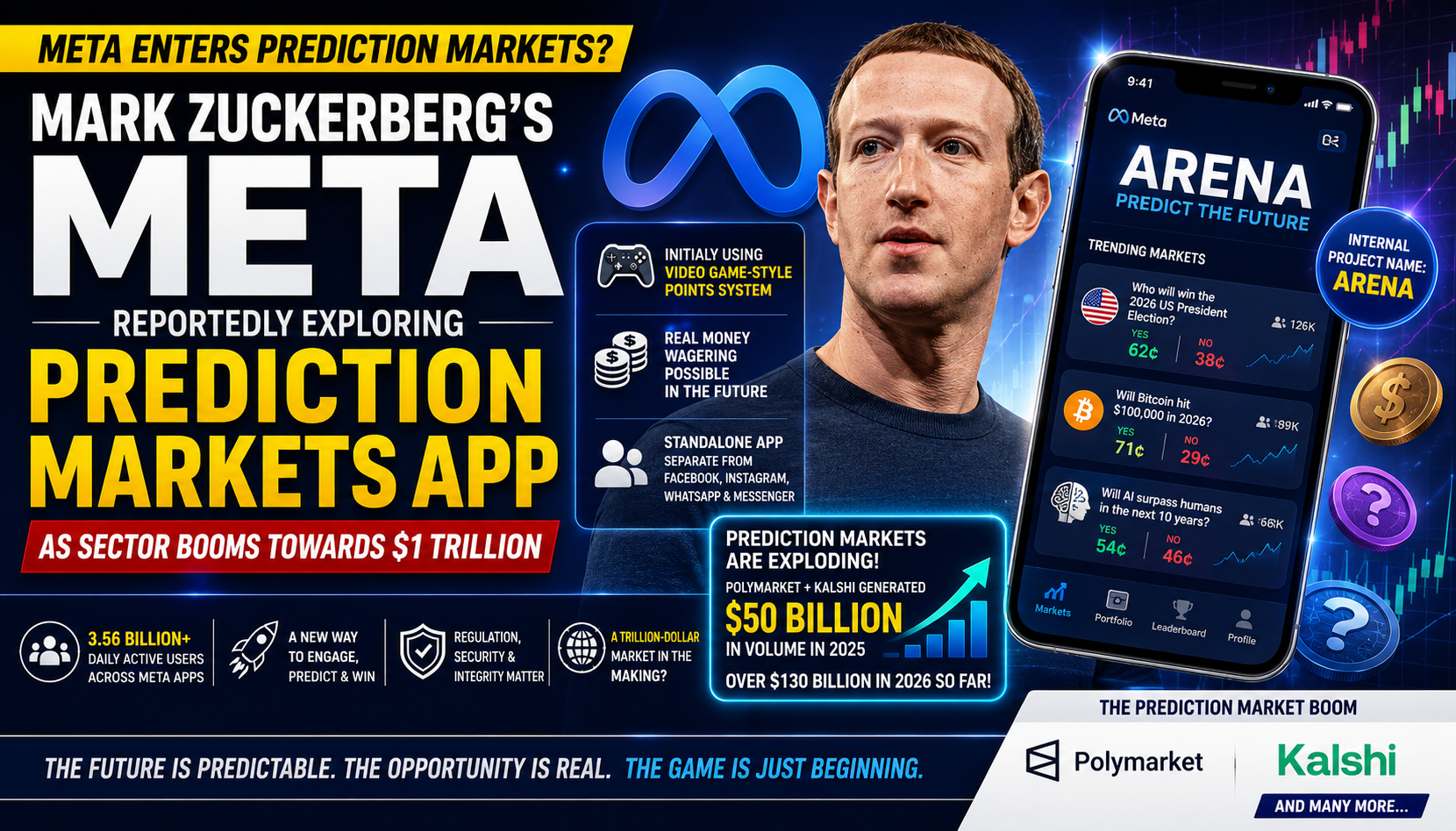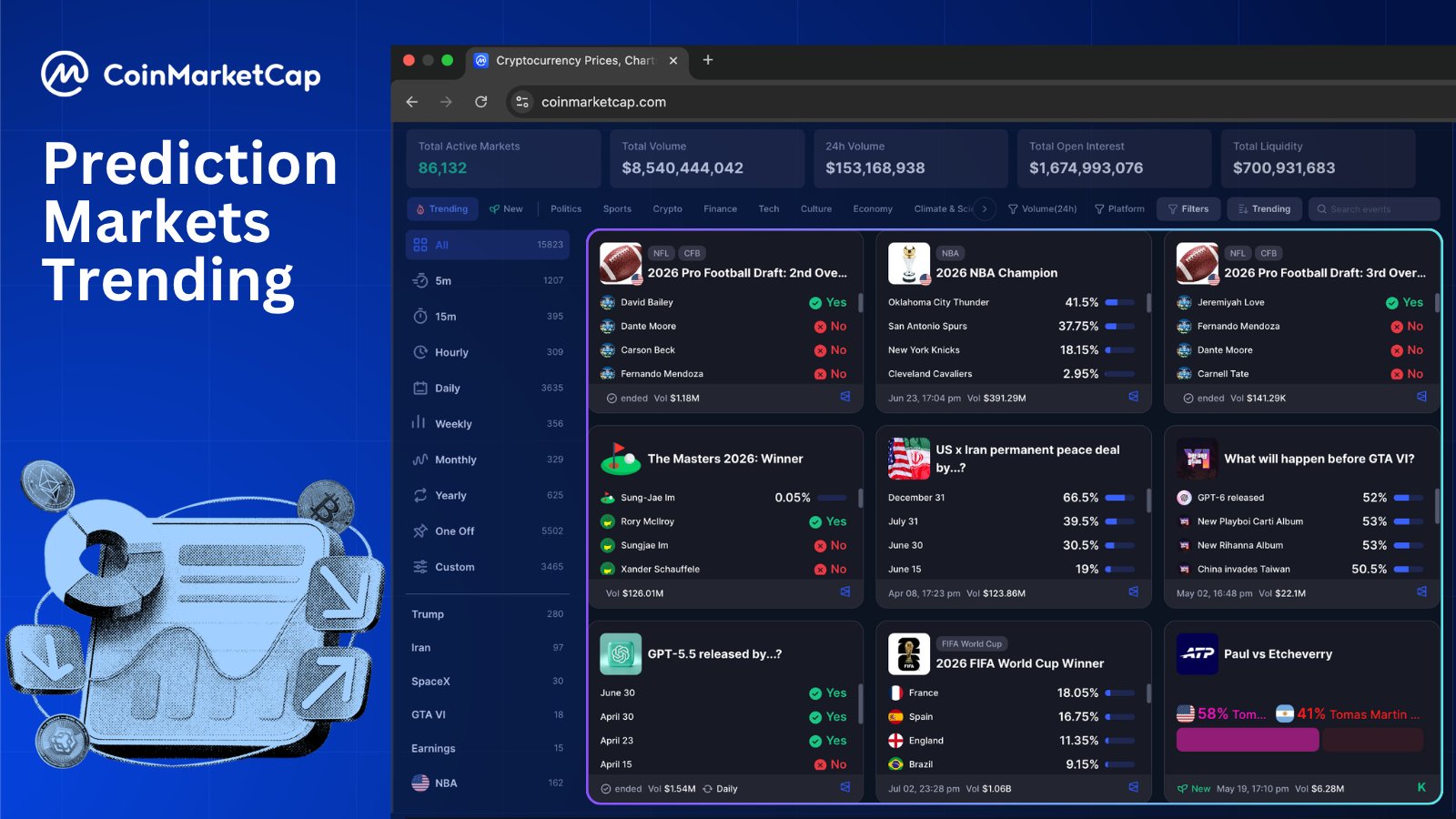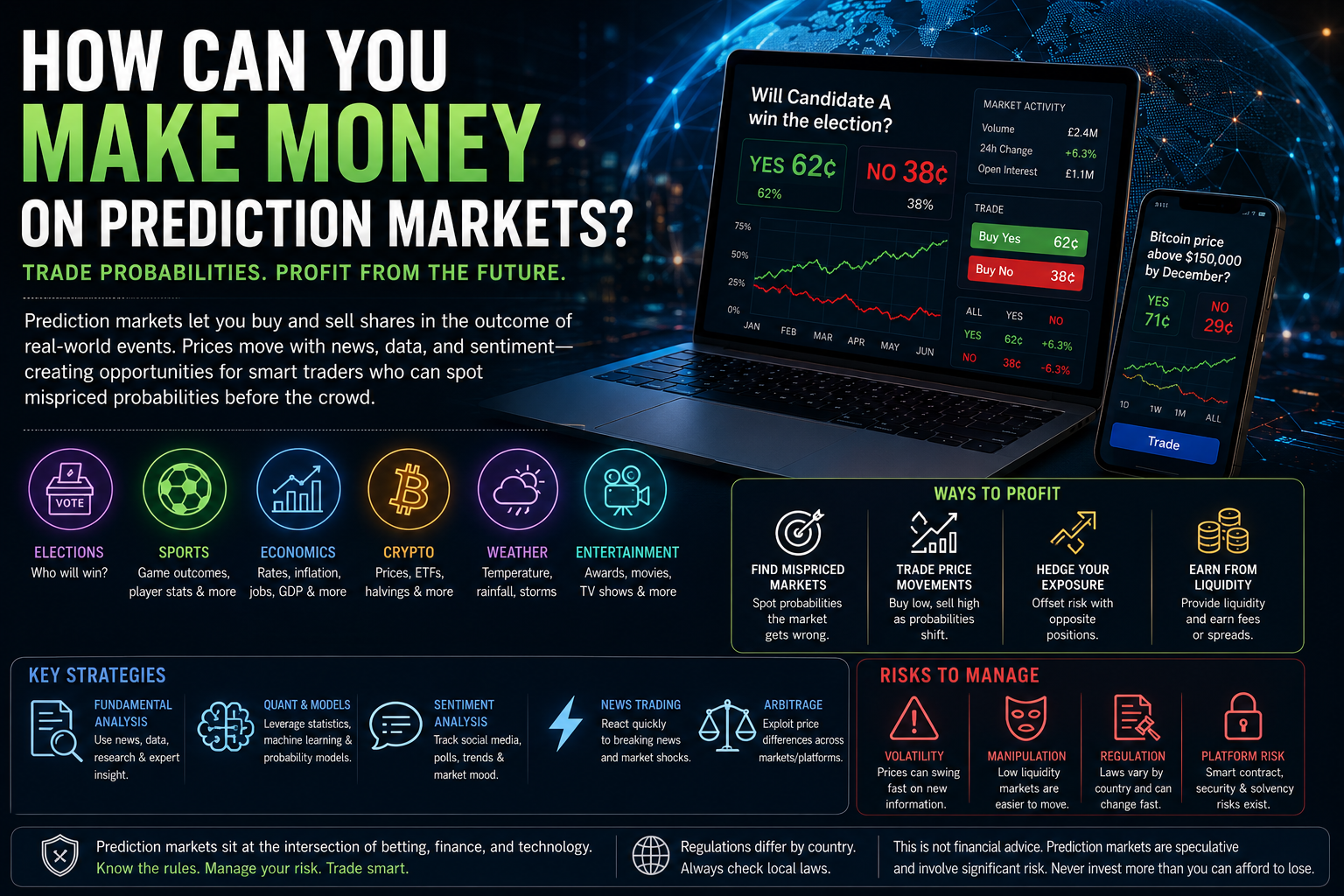

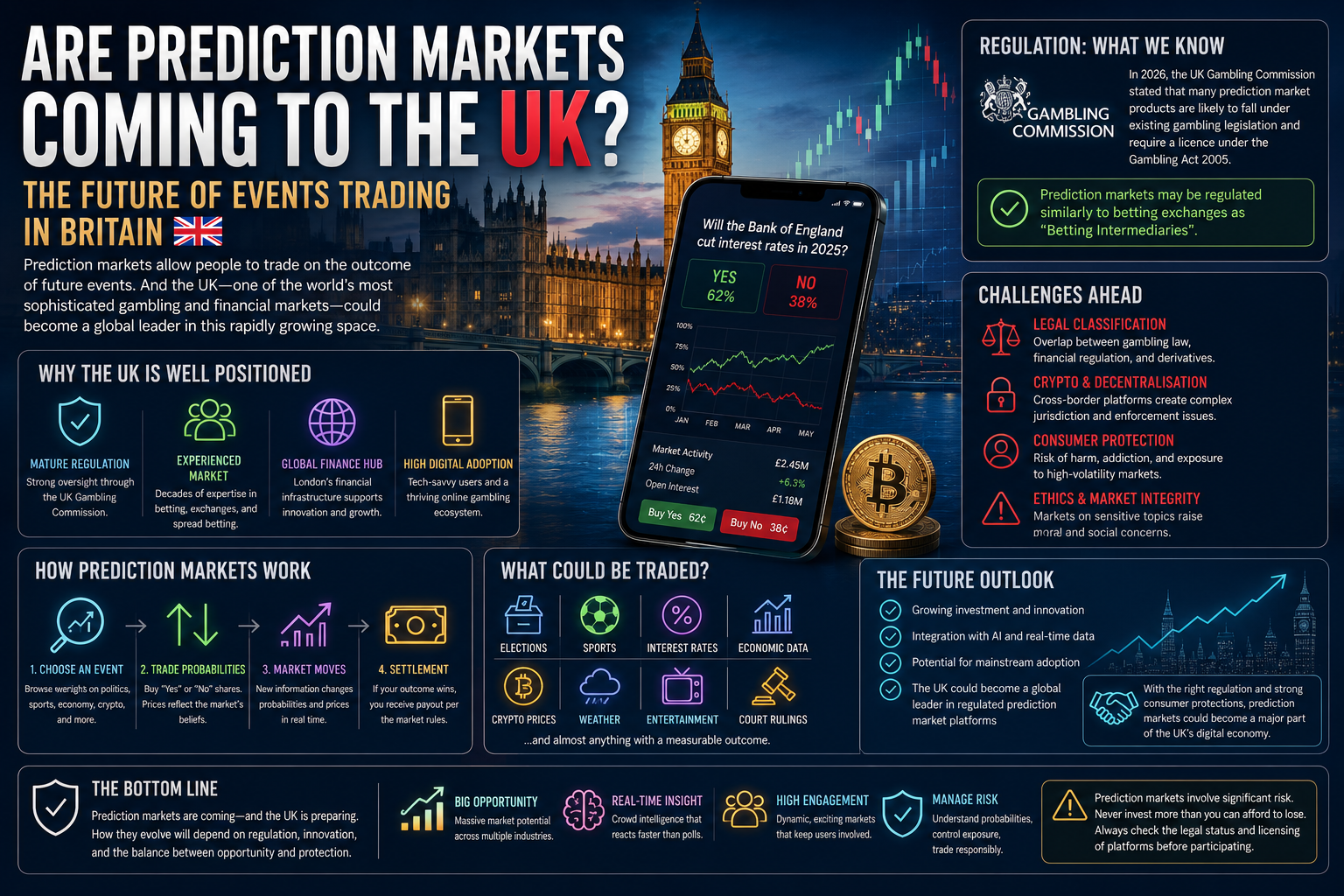
Prediction markets are no longer a fringe internet experiment operating quietly on the edges of gambling and finance. They are rapidly becoming one of the most discussed and controversial sectors in the global digital economy, attracting attention from regulators, hedge funds, gambling operators, fintech companies, crypto exchanges, economists, venture capital firms, political analysts, and artificial intelligence developers simultaneously.
For years, prediction markets remained relatively niche outside specialist trading and forecasting communities. Today, however, platforms allowing users to speculate on elections, cryptocurrency prices, economic events, sports outcomes, geopolitical developments, and almost any measurable future event are growing at extraordinary speed.
That growth is now raising an increasingly important question inside Britain:
Are prediction markets finally coming to the UK in a serious way?
The answer appears to be yes — but probably not in the same form currently emerging in the United States.
The UK is already one of the most sophisticated gambling and speculative trading markets in the world. British consumers have decades of familiarity with sports betting, betting exchanges, spread betting, CFDs, political wagering, novelty betting, and online gambling ecosystems generally. In many ways, the behavioural foundations required for prediction markets already exist deeply within British consumer culture.
That is one reason industry observers increasingly believe the UK could eventually become one of the most important regulated prediction market jurisdictions globally.
However, the UK is approaching the sector very differently from the United States.
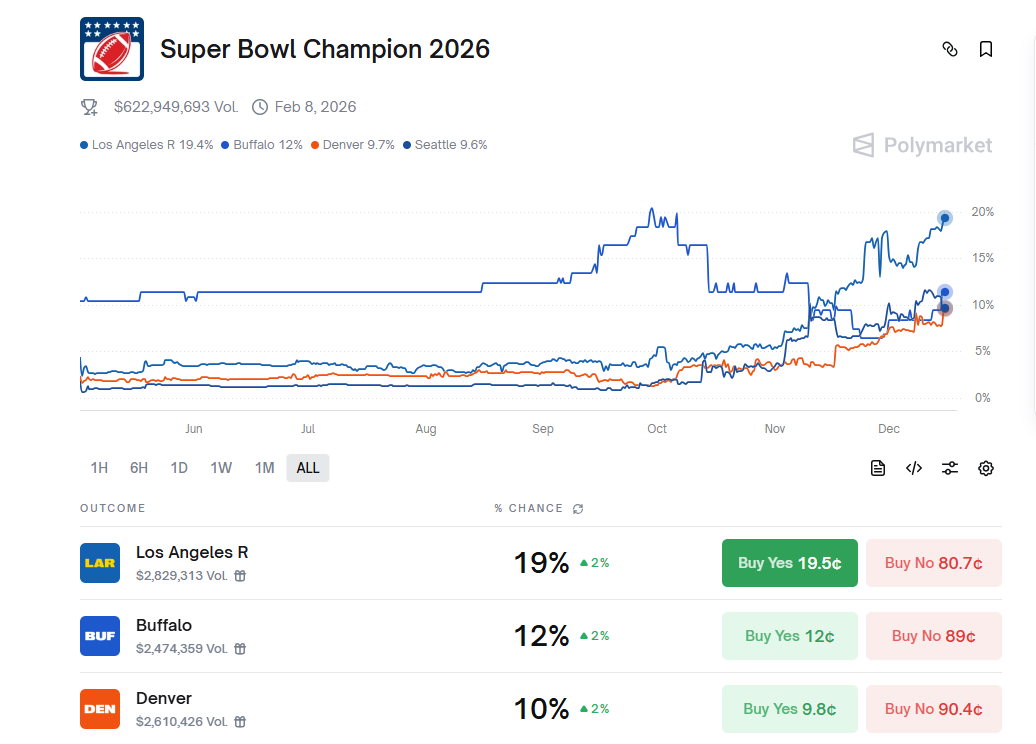
In America, prediction markets have become entangled in a growing legal war involving gambling law, federal derivatives regulation, state gaming authorities, and the Commodity Futures Trading Commission. Platforms such as Polymarket and Kalshi increasingly argue that prediction contracts should be treated as financial instruments rather than gambling products.
That distinction matters enormously because financial products and gambling products are regulated under entirely different legal frameworks.
The UK appears to be taking a much clearer position.
In February 2026, the UK Gambling Commission publicly addressed prediction markets directly for one of the first times. The regulator stated that prediction market products offered commercially in Great Britain would likely fall within existing gambling legislation and would require licensing under the Gambling Act 2005.
That statement was extremely significant.
Rather than attempting to create an entirely new regulatory category, Britain’s approach currently appears to treat prediction markets as structurally similar to betting exchanges. The UKGC specifically suggested many prediction market models would likely fall under the existing category of “Betting Intermediary,” which already exists within British gambling regulation.
This is a major difference from the United States, where operators increasingly attempt to classify prediction markets as federally regulated derivatives products rather than gambling.
Britain already has something the United States lacks:
a mature nationwide betting exchange ecosystem operating under a single established regulatory framework.
That historical context changes everything.
Long before crypto prediction markets became fashionable, UK consumers were already using platforms like Betfair to trade probabilities against one another on sports, politics, and live events. British users are therefore already psychologically familiar with concepts that feel very similar to modern prediction markets:
dynamic pricing,
probability shifts,
market trading,
position management,
and peer-to-peer wagering.
In many ways, prediction markets feel like a natural evolutionary extension of systems Britain has already operated legally for years.
That familiarity may make adoption significantly easier in the UK than in many other countries.
At the same time, the UK regulatory environment is becoming stricter overall, not looser.
British gambling regulation has entered a period of intensifying scrutiny focused heavily on:
consumer protection,
financial vulnerability,
advertising standards,
AML compliance,
operator accountability,
and digital risk management.
That means prediction markets entering Britain are unlikely to operate in a regulatory vacuum.
Instead, they would almost certainly face substantial compliance requirements involving:
identity verification,
responsible gambling controls,
source-of-funds checks,
market integrity monitoring,
fraud prevention,
consumer protections,
and ongoing regulatory oversight.
This creates an interesting paradox.
The UK may actually become more prediction-market-friendly than many jurisdictions — but only within heavily regulated structures.
That could create opportunities for existing gambling operators, betting exchanges, and licensed platforms already experienced in compliance-heavy environments.
Several industry observers already believe major gambling companies are watching the sector extremely closely.
The reason is obvious.
Prediction markets potentially combine elements of multiple enormous industries simultaneously:
sports betting,
financial speculation,
political forecasting,
cryptocurrency,
AI-driven analytics,
data monetisation,
and event trading.
Commercially, the sector could become massive.
Prediction markets are especially attractive because they create highly engaging, continuously updating environments where users interact not just with gambling outcomes but with real-world information itself.
Every breaking headline becomes potential market movement.
Every election poll becomes tradable sentiment.
Every economic announcement becomes speculative opportunity.
This creates extraordinarily high engagement potential.
It is not difficult to imagine future prediction platforms allowing UK users to speculate on:
elections,
interest rate decisions,
inflation data,
sports events,
celebrity outcomes,
technology launches,
crypto milestones,
TV shows,
weather events,
or geopolitical developments.
In many ways, prediction markets represent the gamification of uncertainty itself.
Artificial intelligence is also accelerating industry interest dramatically.
Prediction markets produce enormous quantities of real-time probability data. AI systems increasingly value probabilistic forecasting signals because they provide continuously updating assessments of future expectations across politics, economics, finance, and public sentiment.
Some technologists believe prediction markets could eventually become core informational infrastructure feeding future AI decision-making systems.
That possibility partly explains why venture capital firms and fintech investors continue showing intense interest despite growing regulatory pressure.
The UK’s position is especially important because Britain sits at the intersection of two sectors prediction markets naturally overlap with:
global gambling,
and global financial services.
Very few countries possess deep expertise in both industries simultaneously.
London remains one of the world’s most important financial centres while Britain simultaneously operates one of the world’s largest regulated online gambling industries.
That combination potentially makes the UK uniquely positioned to shape how prediction markets evolve internationally.
However, major challenges remain.
One of the biggest unresolved issues involves classification.
Even within Britain, regulators acknowledge prediction markets may overlap with both gambling law and financial regulation depending on how products are structured. The Financial Conduct Authority has already referenced prediction market products within perimeter discussions involving speculative event contracts and financial regulatory boundaries.
That creates ongoing uncertainty around where gambling regulation ends and financial regulation begins.
Spread betting already occupies one of these hybrid areas in the UK because it is regulated by the FCA rather than the Gambling Commission despite appearing highly gambling-like to ordinary consumers.
Prediction markets may create similar boundary disputes over time.
Crypto adds even more complexity.
Decentralised prediction markets operating through blockchain protocols create difficult jurisdictional questions involving:
cross-border access,
tokenised contracts,
decentralised governance,
smart contracts,
and global liquidity pools.
Some European regulators are already moving aggressively against unlicensed prediction market operators.
Britain may eventually need to determine how aggressively it wishes to police offshore or decentralised platforms targeting UK consumers.
Another issue involves ethics.
Prediction markets increasingly allow speculation on highly sensitive topics involving:
wars,
pandemics,
civil unrest,
terrorism,
political assassinations,
economic crises,
and humanitarian disasters.
Critics argue monetising catastrophic events creates serious moral problems and potentially dangerous incentives. Supporters counter that markets already exist indirectly around geopolitical instability through equities, commodities, insurance pricing, and macroeconomic trading.
That philosophical tension is unlikely to disappear.
The most important reality, however, is this:
prediction markets are almost certainly not going away.
The commercial incentives are too large.
The technological infrastructure already exists.
Consumer appetite clearly exists.
And the convergence between gambling, finance, AI, crypto, and real-time forecasting is accelerating rather than slowing down.
The real question is no longer whether prediction markets will exist in Britain.
The real question is what form they will ultimately take.
Britain currently appears to be moving toward a regulated gambling-based model where prediction markets operate similarly to betting exchanges under existing licensing frameworks.
That could eventually create one of the world’s first fully mature, heavily regulated prediction market ecosystems operating at national scale.
If that happens, the UK may become one of the most important testing grounds globally for the future relationship between:
gambling,
financial speculation,
AI forecasting,
crypto infrastructure,
and crowd intelligence economics.
And considering Britain’s long history with betting exchanges, financial trading, speculative markets, and digital gambling innovation, there is perhaps no country more naturally positioned for that collision than the UK itself.
Frequently Asked Questions About Prediction Markets Coming to the UK
1. Are prediction markets actually coming to the UK?
Yes, prediction markets are increasingly moving toward the UK market, although they will likely arrive under heavily regulated structures rather than operating freely without oversight.
Interest in prediction markets is growing rapidly across gambling, finance, cryptocurrency, AI forecasting, and fintech sectors. Regulators, operators, and investors are all paying close attention to how these platforms evolve globally.
The UK is already considered one of the most likely countries to eventually support large-scale regulated prediction market ecosystems because Britain already has mature industries involving betting exchanges, spread betting, speculative trading, and online gambling infrastructure.
2. What exactly is a prediction market?
A prediction market is a platform where users speculate on future real-world events by buying and selling probability-based positions.
These events can include:
elections,
sports results,
interest rate decisions,
cryptocurrency prices,
weather outcomes,
economic indicators,
TV shows,
court rulings,
or geopolitical developments.
The market price reflects the collective probability participants assign to an outcome.
3. Why is the UK considered such an important future market?
The UK already has several characteristics prediction markets naturally require.
British consumers are highly familiar with:
sports betting,
betting exchanges,
financial speculation,
spread betting,
online trading,
and live event wagering.
This means UK users already understand many concepts prediction markets rely on, including dynamic odds, fluctuating probabilities, peer-to-peer trading, and market sentiment.
4. Are prediction markets already legal in Britain?
Some forms potentially are, depending on structure and licensing.
The UK Gambling Commission has suggested many prediction market products would likely fall under existing gambling regulation and require proper licensing under the Gambling Act 2005.
However, legal classification remains complex because some prediction market structures can resemble financial products or derivatives rather than traditional betting.
5. Why is there so much legal uncertainty?
Prediction markets sit directly between multiple industries simultaneously.
They overlap with:
gambling,
financial trading,
cryptocurrency,
derivatives,
forecasting systems,
and speculative investing.
This creates difficult regulatory questions about which rules should apply.
6. Could prediction markets be regulated like betting exchanges?
Very possibly.
Many analysts believe Britain is more likely to regulate prediction markets similarly to betting exchanges rather than treating them as entirely new financial products.
This is important because the UK already has a mature exchange betting framework through platforms like Betfair.
7. Why does the UK differ from the United States?
The United States has far more fragmented gambling and financial regulation involving federal agencies, state regulators, commodities oversight, and interstate legal complications.
The UK already operates under a more centralised gambling licensing framework through the UK Gambling Commission.
This potentially makes regulatory integration easier.
8. Could UK gambling companies launch prediction markets?
Many industry observers believe existing gambling operators are extremely likely to explore the sector if regulation becomes clearer.
Traditional bookmakers already understand:
risk management,
live markets,
compliance,
probability pricing,
and large-scale online betting systems.
Prediction markets could become a natural expansion area.
9. Could betting exchanges evolve into prediction markets?
Potentially yes.
Modern prediction markets already resemble exchange-style betting systems in many ways.
Users trade probabilities against one another rather than simply betting against the house.
That behavioural similarity could make integration relatively natural.
10. What kinds of events might UK prediction markets include?
Potential future markets could involve:
politics,
elections,
sports,
crypto prices,
interest rates,
inflation data,
TV outcomes,
weather events,
technology launches,
economic announcements,
or celebrity-related events.
The category range is potentially enormous.
11. Why are venture capital firms so interested?
Prediction markets sit at the intersection of multiple high-growth industries simultaneously.
These include:
AI,
crypto,
gambling,
fintech,
behavioural economics,
real-time data systems,
and crowd intelligence.
Many investors believe the long-term commercial potential could become enormous.
12. How does AI connect to prediction markets?
Prediction markets generate continuously updating probability data reflecting real-time expectations about future events.
AI systems increasingly value probabilistic forecasting because it can help improve automated decision-making, modelling, and predictive analysis.
Some technologists believe prediction markets could eventually become informational infrastructure feeding future AI systems.
13. Could prediction markets become mainstream in Britain?
Possibly.
Britain already possesses strong cultural familiarity with speculative event-based systems.
The combination of sports betting culture, financial trading infrastructure, and digital gambling adoption makes the UK one of the most naturally compatible markets globally.
14. What role does cryptocurrency play?
Cryptocurrency has accelerated prediction market growth dramatically.
Blockchain systems allow:
borderless trading,
tokenised contracts,
24-hour liquidity,
decentralised platforms,
and global participation.
However, crypto also introduces major additional regulatory and security challenges.
15. Are decentralised prediction markets likely to operate in the UK?
This remains uncertain.
Decentralised protocols create difficult legal questions involving:
jurisdiction,
enforcement,
consumer protection,
AML compliance,
and regulatory accountability.
Britain may eventually take a stricter position toward unlicensed offshore crypto prediction platforms targeting UK users.
16. Could prediction markets eventually merge with financial trading?
Some analysts believe that boundary will continue blurring over time.
Prediction markets increasingly resemble:
derivatives markets,
speculative trading platforms,
or probabilistic exchanges.
This creates growing overlap between gambling regulation and financial regulation.
17. Why are regulators cautious?
Prediction markets can involve:
high volatility,
consumer losses,
misinformation,
market manipulation,
financial crime risk,
and emotionally charged speculation.
Regulators are especially concerned when retail consumers risk large sums in poorly regulated environments.
18. Could prediction markets become more popular than traditional sports betting?
Probably not entirely, but they could become a major parallel category.
Sports betting remains deeply entrenched culturally.
However, prediction markets potentially expand speculation into many entirely new areas beyond sport.
19. Why do prediction markets create such high engagement?
Because every breaking news event potentially becomes market-moving information.
Political speeches,
economic reports,
court rulings,
social media trends,
weather forecasts,
and global events can all rapidly affect pricing.
This creates highly interactive real-time environments.
20. What ethical concerns exist around prediction markets?
Some markets involve controversial topics such as:
wars,
terrorism,
pandemics,
civil unrest,
or political assassinations.
Critics argue monetising catastrophic events creates moral problems and potentially dangerous incentives.
Supporters argue financial markets already indirectly speculate on geopolitical instability globally.
21. Could prediction markets damage traditional gambling companies?
Some traditional operators may eventually face competition from newer event-trading platforms.
However, many existing gambling companies are more likely to adapt and integrate prediction-style products themselves if regulation permits.
22. Could prediction markets increase gambling addiction concerns?
Potentially yes.
Prediction markets combine elements of:
gambling,
financial trading,
social media,
real-time volatility,
and emotional engagement.
This combination could create highly addictive behavioural loops if not regulated carefully.
23. What consumer protections might UK regulators require?
Potential protections could include:
identity verification,
deposit limits,
source-of-funds checks,
self-exclusion tools,
market monitoring,
AML compliance,
and responsible gambling systems.
Britain already operates one of the strictest gambling compliance environments globally.
24. Could prediction markets eventually appear inside mainstream apps?
Possibly.
If regulation becomes clearer, prediction systems could eventually integrate into:
sports apps,
financial platforms,
crypto exchanges,
media companies,
or entertainment ecosystems.
This is one reason major technology and investment firms are watching the sector closely.
25. Why do some people compare prediction markets to stock markets?
Because prediction markets often involve:
buying and selling positions,
reacting to news,
trading probabilities,
tracking charts,
and managing risk.
The behavioural mechanics can feel very similar to speculative trading environments.
26. Could prediction markets eventually replace polling?
Probably not completely, but they may increasingly complement traditional polling systems.
Supporters argue prediction markets sometimes aggregate information faster and more dynamically than conventional opinion surveys.
27. What is the biggest obstacle facing prediction markets in the UK?
Regulatory clarity.
The industry still sits awkwardly between:
gambling,
financial services,
crypto regulation,
and derivatives oversight.
Until those boundaries become clearer, large-scale expansion may remain cautious.
28. What is the biggest opportunity for the UK specifically?
Britain uniquely combines:
advanced gambling infrastructure,
global financial expertise,
high digital adoption,
and strong regulatory systems.
Very few countries possess deep expertise in both gambling and finance simultaneously.
That could position the UK as a global leader in regulated prediction markets.
29. Are prediction markets likely to disappear?
Almost certainly not.
Too many industries now overlap with the concept:
AI,
crypto,
forecasting,
gambling,
finance,
and behavioural analytics.
The technology, infrastructure, and consumer demand already exist.
30. What is the most likely long-term outcome?
The most likely outcome is that prediction markets gradually become integrated into regulated ecosystems rather than remaining unregulated fringe products.
Britain may eventually become one of the world’s leading jurisdictions for regulated prediction market platforms operating under gambling-style licensing structures with strong compliance oversight.